


Safeguarding at 糖心logo Sixth Form
If you are worried yourself, or have concerns about a friend, colleague, or young person from 糖心logo Sixth Form, please reach out to us at聽[email protected].
In the Sixth Form, Mrs Sarah Thomas (Deputy Head of Sixth Form, Support & Wellbeing) and Jeremy Frost (Head of Sixth Form) oversee safeguarding concerns.
Safeguarding is Everyone’s Responsibility聽
Safeguarding and promoting the welfare of young people is everyone鈥檚 responsibility.聽 Everyone who comes into contact with students, their families, and carers has a role to play in safeguarding.
To ensure we fulfil this responsibility at 糖心logo Sixth Form, all professionals are trained to ensure their approach is student-centred; what is always in the best interest of the student.聽 No single professional can have a full picture of a student’s needs and circumstances. If young people and families are to receive the right help at the right time, everyone who comes into contact with them has a role to play in identifying concerns and the sharing of information, on a ‘need to know’ basis. The Safeguarding Team will ensure the information is collated and dealt with appropriately.
A copy of our safeguarding policy can be found聽.
The Safeguarding Team
At 糖心logo and Sixth Form a whole group of people make up the Safeguarding Team:

Safeguarding Resources and Information Padlet
To make sure students and parents have access to up to date and accurate safeguarding information and services, we have collated some useful links in our Safeguarding Padlet that you can access here:
For some specific information on the following important safeguarding issues, please see the information below:
Keeping Safe Online
In an increasingly digital world it鈥檚 important that our students, parents and carers know about e-safety, which stands for electronic safety. This is more than just about keeping safe on the internet, but on all electronic devices and knowing about potential threats when online. It is also about knowing what you can and cannot legally do online and how to protect yourself from some of the risks involved in using the internet.
Below are some resourses for students and parents.
Managing the risk associated with self-generated imagery
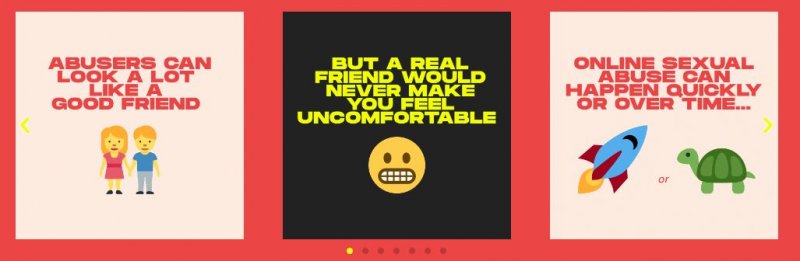
糖心logo Truths is Internet Watch Foundation’s latest campaign to help prevent the creation of self-generated child sexual imagery online.
Reporting Online Behaviour
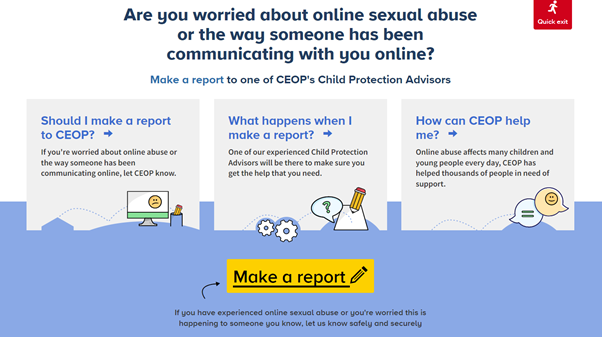
If you鈥檙e worried about online sexual abuse or the way someone has been communicating or behaving online, you can report it to聽聽where they have experienced Child Protection Advisors to provide support.
ChildLine have created the Report Remove Tool to provide a facility for young people to be able to report any nude images of themselves online in order for these to be removed. In order to use the Report Remove tool, you’ll need to: – create a Childline account or have an existing account – confirm your age to show that you鈥檙e under 18.
Internet Watch Foundation – Gurls Out Loud Campaign
A community for girls to feel supported and empowered with information on what signs to look out for and how to report concerns –聽
Domestic Abuse
Domestic Abuse Lead at 糖心logo is:
Mrs Jennie Girling – Deputy Designated Safeguarding Lead –聽[email protected]
糖心logo is working in partnership with Cambridgeshire Police and Cambridgeshire County Council to identify and provide appropriate support to pupils who have experienced domestic abuse in their home; this scheme is called聽.
To achieve this, Cambridgeshire鈥檚 Education Safeguarding Team will share police information of all domestic incidents, where one of our students has been present, with the Designated Safeguarding Lead(s) (DSL)/Domestic Abuse (DA)Lead. On receipt of any information, the DSL/DA Lead will decide on the appropriate support the students might need.

Government Definition of Domestic Abuse and Violence:
Any incident or pattern of incidents of controlling, coercive, threatening behaviour, violence, or abuse between those aged 16 or over who are, or have been, intimate partners or family members regardless of gender or sexuality. The abuse can encompass, but is not limited to:
- psychological
- physical
- sexual
- financial
- emotional
Controlling Behaviour
Controlling behaviour is a range of acts designed to make a person subordinate and/or dependent by isolating them from sources of support, exploiting their resources and capacities for personal gain, depriving them of the means needed for independence, resistance and escape and regulating their everyday behaviour.
Coercive Behaviour
Coercive behaviour is an act or a pattern of acts of assault, threats, humiliation and intimidation or other abuse that is used to harm, punish, or frighten their victim.
1 in 5 children have been exposed to domestic abuse and it is present in 60% of all serious case reviews. It is estimated that children are present in 80% of incidents.
Report a Concern
If you are concerned about a student or young person at 糖心logo email the Domestic Abuse Lead,聽Jennie Girling听补苍诲听[email protected]. If this is of an urgent matter, please call聽101聽or in an emergency always call聽999.c
Reporting Crime
If it isn’t an emergency, you can report a crime to Cambridgeshire Police via telephone (dial 101) or online:聽
If you use the online chat option, your report will be sent direct to our control room, just as it does if you call.

Fearless – Annoymous Reporting for Young People
Fearless is a Crimestoppers initiative to encourage young poeple to feel able to report crime.
Via their website or telephone number you can pass on information 100% annonymously.
Knife Crime
Although knife and gun crime is relatively rare in Cambridgeshire, it is important to be aware of the issues and know where to find advice and information.
Cambridgeshire Police offer advice and information to help prevent knife and gun crime and educate members of the community. More information can be found here:聽
Preventing Radicalisation
PREVENT Lead at 糖心logo is:
Mr Sean Sycamore 鈥� Deputy Principal and Deputy Designated Safeguarding Lead 鈥撀�[email protected]
We are all here to protect students and young people from harm. It can be hard to know when extreme views become something dangerous. And the signs of radicalisation are not always obvious.
It might be nothing, it might be something. But whatever you are worried about, here is some information and links to resources to help.
Radicalisation is the process by which a person comes to support terrorism and extremist ideologies. If you are worried someone close to you is becoming radicalised act early and seek help. The sooner you reach out, the quicker we can protect the person you care about from being groomed and exploited by extremists.
Police forces across the country have specially trained Prevent Officers who work alongside other organisations through a 糖心logo Office programme called Prevent to help people vulnerable to radicalisation move away from violent extremism.
Friends and family are best placed to spot the signs, so trust your instincts.
Radicalisation can be very difficult to spot. Signs that may indicate a child is being radicalised include:
- Social withdrawal and isolation
- Difficult and moody behaviour
- Increased internet use
- New friends, clothing, change of appearance
- Loss of interest in activities they used to enjoy
- Following extremist material through social media
- Resentment to authority figures and 鈥渦se鈥� vs 鈥渢hem鈥� mentality.
- Increasingly secretive
- Inappropriate language
- Scripted speech
- Intolerance to views of others
To find out more about how to help someone close to you, please click on the agencies below for some resources that provide guidance and support:
Staff at 糖心logo are trained on PREVENTion of Radicalisation to be aware of the threat, spotting the signs and how to report any concerns.
Report a Concern
If you are concerned about a student or young person at 糖心logo email the PREVENT Lead, Sean Sycamore at聽[email protected]听补苍诲听[email protected]. If this is of an urgent matter, please call聽101聽or in an emergency always call聽999.